
I used to throw away a full garbage bag every three days. Not even thinking about it — just toss, tie, done. Then one summer, I visited a friend who had been living “zero waste” for about a year, and when I checked her kitchen bin after a whole week, it had maybe a handful of stuff in it. I genuinely thought she was hiding trash somewhere.
She wasn’t.
That visit changed the way I looked at every piece of packaging I touched. It didn’t make me perfect overnight — I still mess up, I still buy things wrapped in plastic I didn’t plan for — but I’ve cut my household waste by roughly 70% over two years. Here’s what I actually learned, including the embarrassing mistakes.
What “Zero Waste” Actually Means (And What It Doesn’t)
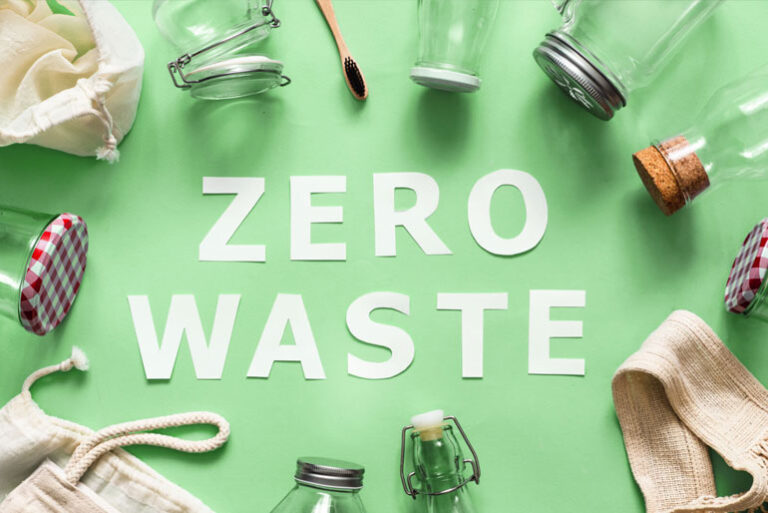
Let’s get this out of the way: zero waste doesn’t mean producing literally zero trash. That’s not realistic for most of us. What it really means is being intentional — refusing what you don’t need, reducing what you do, and rethinking your habits so less stuff ends up in a landfill.
The famous “zero waster” Bea Johnson famously fits a year’s worth of her family’s trash into a single mason jar. That’s inspiring, but for a regular person juggling work, kids, and a budget? That’s a goal, not a starting point. Don’t let perfect be the enemy of good.
Step 1: Do the Trash Audit (Gross But Worth It)
The very first thing I did — after my friend basically dared me to — was go through my own garbage for one week and categorize everything.
It took maybe 15 minutes total across the week. What I found:
- Food scraps and packaging made up almost half my waste
- Single-use plastics (straws, produce bags, zip locks) were everywhere
- Paper waste — mostly junk mail and paper towels
- Toiletry packaging — shampoo bottles, toothpaste tubes, face wash containers
Knowing where your waste comes from is the only way to know where to start. Otherwise you buy a bamboo toothbrush and pat yourself on the back while still ordering takeout in three layers of plastic every night.
Step 2: Start in the Kitchen (Biggest Impact, Fastest Wins)
The kitchen is where most household waste is generated. I started here and it made the biggest visible difference.
Switch to reusable bags first. Sounds basic, but I mean all bags — not just shopping bags, but produce bags too. You can grab mesh produce bags on Amazon or from brands like Vejibag or Simple Ecology for a few dollars. I bought a set of five and have used them for almost two years now.
Stop buying bottled water. Get a good filter pitcher (Brita or ZeroWater both work well) or a countertop filter. A reusable water bottle — I use a 32oz Hydro Flask — basically replaced hundreds of plastic bottles in my first year alone.
Compost your food scraps. This was the one I resisted the longest because I thought it would smell. It doesn’t, if you do it right. I started with a small countertop bin (OXO makes a great one) and emptied it into a larger outdoor compost bin every few days. If you live in an apartment, check if your city offers composting pickup — many do now, especially in larger cities.
Buy in bulk where you can. Stores like Whole Foods, local co-ops, or bulk stores let you bring your own containers and fill them up. Rice, oats, nuts, spices — all of this can be bought without any packaging once you build the habit.
Step 3: Tackle the Bathroom Next
This is where I made the most embarrassing rookie mistakes.
I bought a shampoo bar early on and just… did not know how to use it properly. Lathered it directly on my hair like regular shampoo. My hair felt like straw for two weeks. Turns out you’re supposed to work the bar in your hands first and apply it as a lather, not rub it directly on your head.
Once I figured that out, I’ve stuck with shampoo bars ever since. Ethique and Lush both make solid ones (pun intended). A single bar lasts as long as two to three liquid shampoo bottles and comes in a tiny paper wrapper.
Other easy bathroom switches:
- Bar soap instead of liquid body wash in plastic bottles
- Bamboo toothbrush — same brushing experience, biodegradable handle
- Toothpaste tabs — these took me a while to like, but Bite and Denttabs are decent
- Safety razor — upfront cost is around $30–50, but replacement blades cost almost nothing and come in paper packaging
- Reusable cotton rounds for makeup removal (I use the kind from LastObject)
You don’t have to switch everything at once. As each product runs out, just replace it with a lower-waste version. Don’t throw away what you already have — that’s wasteful in a different way.
Step 4: Rethink How You Shop
This is where the real mindset shift happens.
Buy secondhand first. Before buying anything new — clothes, furniture, gadgets — I check Facebook Marketplace, ThriftedUp, Poshmark, or my local thrift stores. I’ve furnished almost my entire apartment secondhand, and the stuff is often better quality than fast-furniture from big box stores.
Read the packaging before you buy. This sounds tedious, but it becomes instinctual fast. Glass and aluminum are infinitely recyclable. Most plastic isn’t, no matter what the recycling symbol says. If something comes in glass, I’ll often choose it over the plastic version even if it costs slightly more.
Try a “nothing new” month. I did this as a challenge with a friend — we committed to buying nothing brand new (except food and hygiene essentials) for 30 days. It was surprisingly liberating. You realize how much you buy on impulse.
Step 5: Deal With the Recycling Myth
Here’s a thing I wish someone had told me earlier: a lot of what we put in the recycling bin doesn’t actually get recycled.
Greasy pizza boxes? Usually can’t be recycled. Plastic bags in the bin? They jam the sorting machines. Tiny bits of paper? Too small to process. “Wishful recycling” — tossing things in the bin and hoping for the best — actually contaminates recycling streams and sends more to landfill.
Do the research for your specific city. Most municipalities have a recycling guide online. In the US, Earth911 has a great database where you can search what’s recyclable by material and zip code. In Pakistan and other countries, the rules vary widely by city — check your local municipality’s official page.
The better strategy is: refuse and reduce first, recycle last. Recycling is the least effective of the three Rs, not the most.
Common Mistakes I Made (So You Don’t Have To)
Buying lots of “eco” products at once. I went through a phase of buying every bamboo, organic, or “sustainable” thing I saw. Most of it I didn’t need, and buying stuff to feel green is still buying stuff. Now I wait until something runs out before replacing it, and I ask whether I actually need a replacement at all.
Forgetting reusables at home. For the first few months I’d leave my tote bags in the car, forget my reusable coffee cup, or show up at the bulk store without my containers. The fix? Keep a small “kit” in your bag: a tote, a small container, a spork. Once it’s a habit, you won’t forget.
Comparing myself to people with perfect-looking zero waste lives. Social media makes it look easy. It’s not. Most “zero waste” influencers have time, money, access to bulk stores, and no kids. Real life is messier. Progress over perfection, always.
Ignoring the bigger picture. Individual action matters, but systemic change matters more. I started paying attention to brands’ actual environmental policies, writing to companies requesting better packaging, and supporting local policies around plastic bans. Your dollar and your voice both count.
Some Apps and Tools That Actually Help
- Too Good To Go — buy surplus food from restaurants and grocery stores at steep discounts, reduces food waste
- OLIO — free app to give away or pick up items (food, household stuff) from neighbors
- Earth911 — recycling lookup by location and material
- Good On You — rates fashion brands on sustainability so you can make informed choices
- Litterati — if you want to get involved in community cleanups, this app lets you log and categorize litter
What My Life Actually Looks Like Now
I’m not perfect. Last week I forgot my bags and got plastic ones at the grocery store. I ordered takeout twice and it came in containers I couldn’t recycle. I bought a piece of clothing that turned out to be polyester.
But my trash output is genuinely a fraction of what it used to be. My grocery bills went down because I’m wasting less food and buying less unnecessary stuff. My bathroom counter is less cluttered. And weirdly, the whole process made me more mindful about consumption in general — not just waste.
Zero waste isn’t a destination you arrive at. It’s more like a direction you keep moving in.
Start with one thing this week. Just one. Maybe it’s carrying a reusable bag. Maybe it’s setting up a small compost bin. Maybe it’s skipping the straw next time you’re at a restaurant.
Small habits stack. Slowly, then all at once — your trash bag starts lasting longer, you stop thinking about it so much, and one day you realize your lifestyle looks genuinely different from what it used to be.
That’s enough.
Have a zero waste tip that actually worked for you? Drop it in the comments — I’m always looking for new ideas to try.