
I spent years buying clothes I never wore.
My wardrobe was full of things that looked great on the hanger, on the model, or in the store lighting — but the moment I got home and tried to build an outfit around them, something always felt off. Too formal. Too casual. Too someone else. I’d end up rotating the same five pieces while the rest collected dust.
It wasn’t until I stumbled across the concept of style archetypes that things actually clicked. And honestly, I wish someone had explained this to me a decade ago, because it would have saved me a lot of money and a lot of frustrating mirror moments.
So let me break it down the way I’d explain it to a friend over coffee — no fashion jargon, no gatekeeping.
What Even Is a Style Archetype?
Think of it less like a fashion category and more like a personality filter for your wardrobe. A style archetype is basically a framework that helps you understand why certain clothes feel right, and others feel wrong — even when both technically “fit.”
It’s not about what’s trendy. It’s about what’s true to how you actually see yourself.
There are a bunch of different archetype systems out there. Some list 7 archetypes, some go up to 12. But most of them circle around the same core identities. The names vary, but the patterns don’t.
The Most Common Style Archetypes (And What They Actually Mean in Real Life)
Here’s a practical rundown of the main ones. As you read, pay attention to which descriptions make you think “yes, that’s always been me” — not just which ones sound cool.
1. The Classic
This person’s closet is built on quality basics that never go out of style. Tailored trousers, clean white shirts, structured blazers, leather loafers. Nothing too trendy, nothing too loud.
If you’ve ever felt relief walking into a minimalist, neutral-toned store — that’s a Classic instinct. You’re not boring. You just hate the feeling of looking dated six months after you bought something.
Real-life tell: You’ve probably had someone say you always look “put together” without being able to explain why.
2. The Romantic
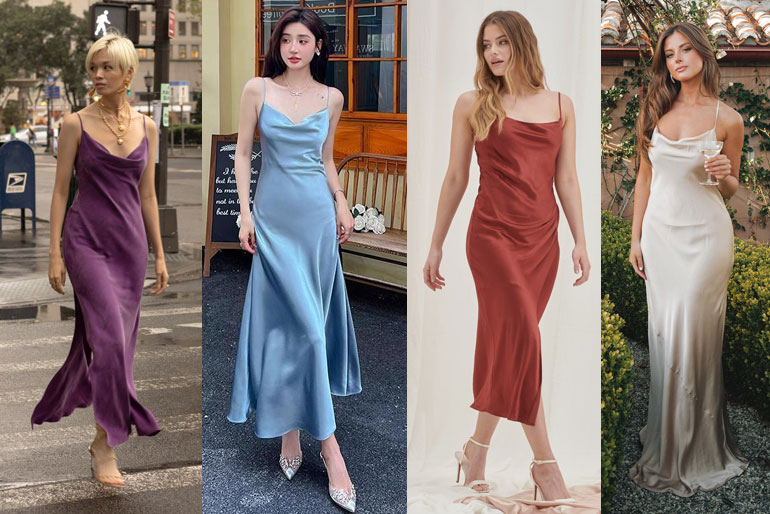
Soft fabrics. Flowy silhouettes. Florals, lace, delicate jewelry. This archetype leans into femininity (regardless of gender) and warmth.
Romantics don’t dress to impress — they dress to feel. There’s an emotional quality to their choices. They’re drawn to vintage markets, silk blouses, and anything that moves when they walk.
Real-life tell: You’ve bought something purely because the fabric felt beautiful against your skin.
3. The Rebel / Edge
Black leather. Hardware. Asymmetry. Unexpected cuts. The Rebel archetype isn’t necessarily punk or aggressive — it just has an instinct to subvert expectations.
These are the people who wear a blazer and immediately roll the sleeves up, pop the collar, or add something that makes it look slightly undone and more interesting.
Real-life tell: You’ve felt weirdly uncomfortable when an outfit is “too normal.”
4. The Bohemian
Layers, textures, earthy tones, artisan pieces from that one market in a city you visited three years ago. The Bohemians dress like their life is a road trip through somewhere beautiful.
This isn’t hippie by default — modern Bohemian is actually quite considered. It’s about mixing cultures, eras, and materials in a way that feels personal and lived-in.
Real-life tell: You own at least one piece of jewelry with a story attached to it that you love telling.
5. The Minimalist
Not to be confused with Classic. Minimalists don’t just prefer clean lines — they feel anxious with too much going on. One or two colors max. No prints. Nothing superfluous.
The Minimalist is probably the most misunderstood archetype because people assume it’s about not caring. It’s actually the opposite. These are people who care deeply about proportion, fabric quality, and the way a single piece sits on the body.
Real-life tell: You’ve returned something because there were too many buttons.
6. The Creative / Artist
This is the person who treats getting dressed like a daily art project. Clashing colors on purpose. A vintage coat over a techy outfit. Mixing high and low in ways that shouldn’t work but do.
Creatives are the ones who find trend-following kind of exhausting because they’re already onto the next thing.
Real-life tell: You’ve gotten a compliment like “I’d never be able to pull that off” — and you were genuinely puzzled why not.
7. The Sporty / Athletic
Functional clothing isn’t a fallback for this archetype — it’s a preference. Not just athleisure, but a general pull toward pieces that move well, breathe, and don’t require too much thought.
Done well, the Sporty archetype looks clean and intentional. Done badly, it looks like you’re always about to run to the gym. The difference is in fit and fabric quality.
Real-life tell: You’ve worn sneakers to an event where you probably shouldn’t have, and you’d do it again.
How to Actually Figure Out Yours
Here’s where most people go wrong: they try to decide their archetype based on what they wish they were. That doesn’t work. You want to identify what you already naturally gravitate toward.
Step 1: Audit what you actually wear — not what’s in your closet.
Open your camera roll or think about the last two weeks. What did you put on when you had zero plans? What did you wear on the day you felt best about yourself? That’s the data you need.
Step 2: Screenshot without filtering.
Apps like Pinterest or Instagram are useful here if you’re honest with yourself. Create a private board and save images that make you think “I wish I was wearing that” — not “that’s objectively stylish.” After 30-40 pins, patterns will emerge.
Step 3: Look at what you’ve kept the longest.
That jacket from 2017 you still reach for. The boots you’ve resoled twice. The dress you “can’t get rid of even though it’s old.” Those pieces are speaking to your archetype.
Step 4: Take an online quiz — but with skepticism.
There are decent free quizzes on sites like Quizony, Buzzfeed’s style section, or even dedicated style blogs. Take two or three and look for overlap in the results. Don’t just go with the flattest answer.
The Mistake Most People Make
Picking an archetype and then trying to dress 100% within it.
That’s not how this works, and honestly, it’s how people end up looking costume-y. Most people are a blend — a primary archetype with a secondary influence.
I’m mostly Minimalist, but with a strong pull toward Bohemian in accessories. Knowing that changed everything for me. I stopped buying Bohemian clothes that never felt right on my body, and started channeling that part of myself into jewelry, bags, and scarves instead. Everything finally started feeling coherent.
Your archetype is a lens, not a uniform.
Why This Actually Matters for Shopping
Once you know your archetype, shopping gets dramatically less overwhelming.
You can walk into a store and immediately identify which section is for you and which isn’t. You stop getting seduced by things that are beautiful in someone else. You also stop feeling guilty about ignoring entire trends that just don’t land for you.
It also helps when buying online, where the lighting and styling can make anything look appealing. Ask yourself: “Does this fit my archetype, or am I buying the mood of the photo?”
A Few Things I Got Wrong Along the Way
- Assuming my archetype should match my job. I work in a fairly casual creative environment, so I assumed that meant Bohemian or Creative. Turns out I’m still a Minimalist — I just apply it to relaxed contexts.
- Confusing aspiration with identity. I wanted to be the Romantic archetype for years. I love the aesthetic. But I felt like I was wearing a costume every time I tried. The clothes weren’t wrong — I was shopping for a different version of myself.
- Ignoring body instincts. Archetypes aren’t just visual preferences. They’re also about how you like to feel in your clothes. Do you want to move freely? Feel structured? Feel soft? That’s data too.
A Quick Quiz to Point You in the Right Direction
Not a definitive answer — just a starting point:
- On a day off with no plans, you put on… Jeans and a clean white tee (Classic) / flowy dress or loose linen (Romantic/Bohemian) / tracksuit or joggers (Sporty) / whatever feels interesting today (Creative/Rebel)
- Your ideal shopping trip ends with… One perfect quality piece / three different things in different colors / something from a vintage store / gear or footwear from a functional brand
- Your friends would describe your style as… Polished / expressive / effortless / unpredictable / cozy / soft
- When you feel most yourself, you’re wearing… Something simple and perfectly fitted / layers and texture / something no one else would have thought to wear / soft and feminine pieces / something dark and structured
Look at the patterns in your answers. That’s your starting point.
Where to Go From Here
If you want to dig deeper, there are some genuinely useful places to explore:
- Pinterest for building a visual identity board (start with your archetype name + “style aesthetic”)
- The Curated app for personalized styling based on your preferences
- YouTube — search your archetype name + “wardrobe breakdown” for real people walking through what they actually buy
You don’t need a stylist. You just need a clearer sense of who you already are.
Once I stopped trying to dress like a general concept of “stylish” and started dressing like myself — just a more refined version — getting dressed stopped being a chore. Turns out my wardrobe didn’t need more options. It needed more direction.
Figuring out your style archetype gives you that direction. And once you have it, you’ll probably look back at half your old purchases and finally understand why they never felt right.