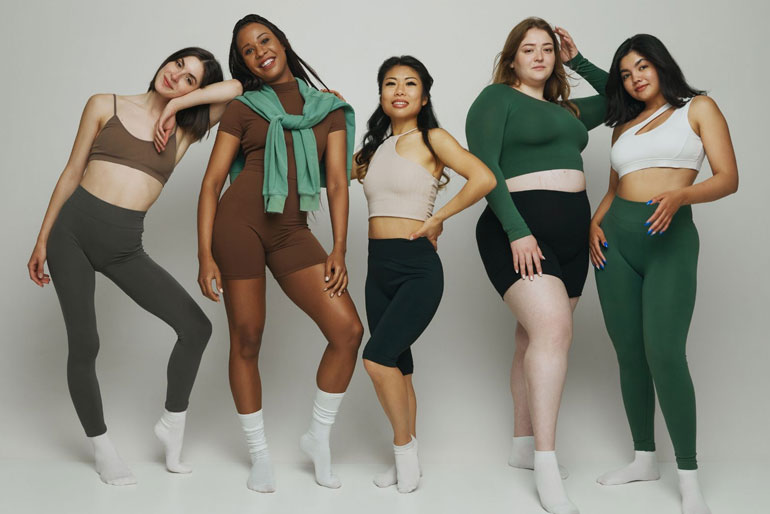

I still remember standing in front of my closet at 24, genuinely panicking. I had just moved to a new city for a job, and I realized I had no idea what my “style” actually was. My wardrobe was a mess — a hoodie I wore in college, a blazer my mom bought me, some ripped jeans from a phase I thought was over, and approximately seven identical black t-shirts.
I looked like four different people had donated their clothes to a single closet.
The thing is, most of us get dressed without ever really deciding what we want our clothes to say about us. We buy things on sale, copy someone we saw on Instagram, or just default to whatever feels comfortable. And then one day we look in the mirror and go… who is this?
So I spent a solid six months actually researching style — watching videos, going into stores, trying things on with zero intention of buying — and talking to people whose wardrobes I admired. Here’s what I learned about the major clothing styles out there, and more importantly, how to figure out which one actually fits you.
Why Knowing Your Style Actually Matters
Before we get into the list, here’s something nobody tells you: picking a style isn’t about labeling yourself. It’s about making your life easier.
When you know your aesthetic, getting dressed in the morning takes five minutes instead of thirty. Shopping becomes intentional instead of impulsive. And you stop wasting money on pieces that look great on the hanger but never make it out of your closet.
Okay. Let’s get into it.
1. Classic / Traditional Style
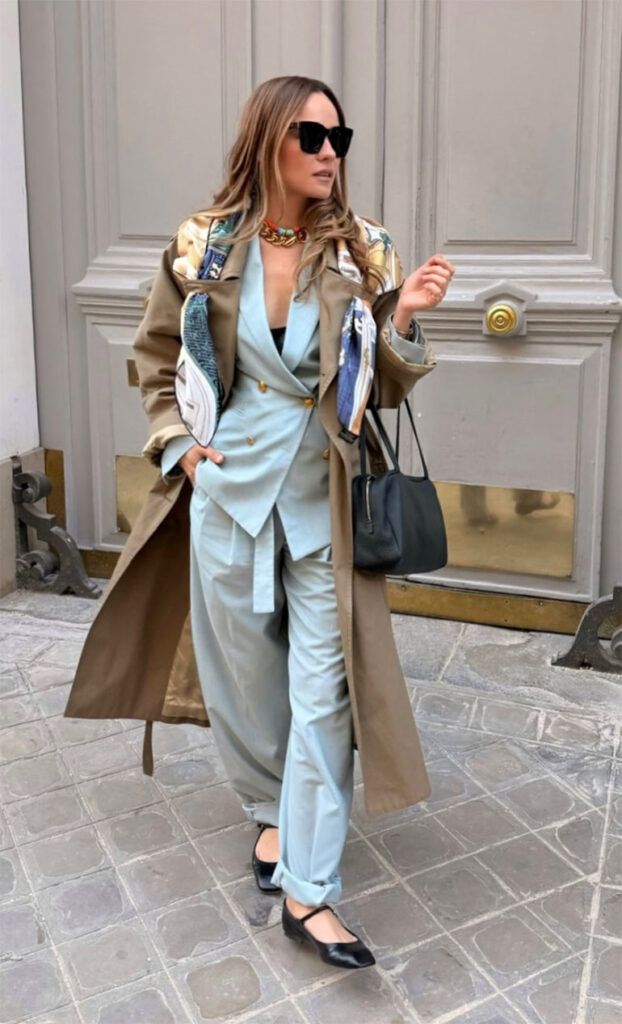
Think tailored trousers, crisp button-down shirts, trench coats, and neutral color palettes. This is the style that never goes “out” because it was never really chasing trends to begin with.
Classic dressers are the people who look put-together without trying too hard. The risk? It can tip into boring if you’re not careful. The fix is usually one statement piece — a bold watch, an interesting shoe, a scarf with personality.
Who it suits: People who work in professional environments, or anyone who values timelessness over novelty.
2. Casual / Everyday Style
Jeans. T-shirts. Sneakers. Comfortable, unfussy, and the default mode for most people on the planet. There’s nothing wrong with casual — the problem is when “casual” means “I didn’t try at all.”
Elevated casual is the sweet spot: well-fitted basics, clean sneakers, maybe a structured jacket thrown over a simple tee. The fit is everything here. A $15 tee that fits you perfectly beats a $100 one that hangs wrong.
Who it suits: Literally everyone, but especially people who prioritize comfort and practicality day-to-day.
3. Streetwear
Streetwear started in skate and hip-hop culture and has since taken over fashion entirely. We’re talking oversized hoodies, graphic tees, cargo pants, chunky sneakers (Jordans, Yeezys, New Balances), and bold logos.
This style rewards brand knowledge. People in the streetwear world notice if you’re wearing a knockoff. It can also get expensive fast — limited drops and resale culture are very real. My advice: build around a few quality pieces rather than chasing every drop.
Who it suits: Younger demographics, people who follow sneaker culture, and anyone who loves bold, expressive fashion.
4. Minimalist Style
Minimalism is the art of doing more with less. Clean lines, neutral tones (white, beige, gray, black), no visible logos, and a heavy focus on quality over quantity.
The Scandinavian influence is strong here. Brands like COS, Everlane, and Uniqlo are go-tos for minimalists. The mistake I see most often? People think minimalism means boring. It doesn’t. It means intentional. A perfectly cut camel coat over black trousers is minimalist and stunning.
Who it suits: People who hate clutter, love quality fabrics, and want a wardrobe that works together effortlessly.
5. Bohemian (Boho) Style
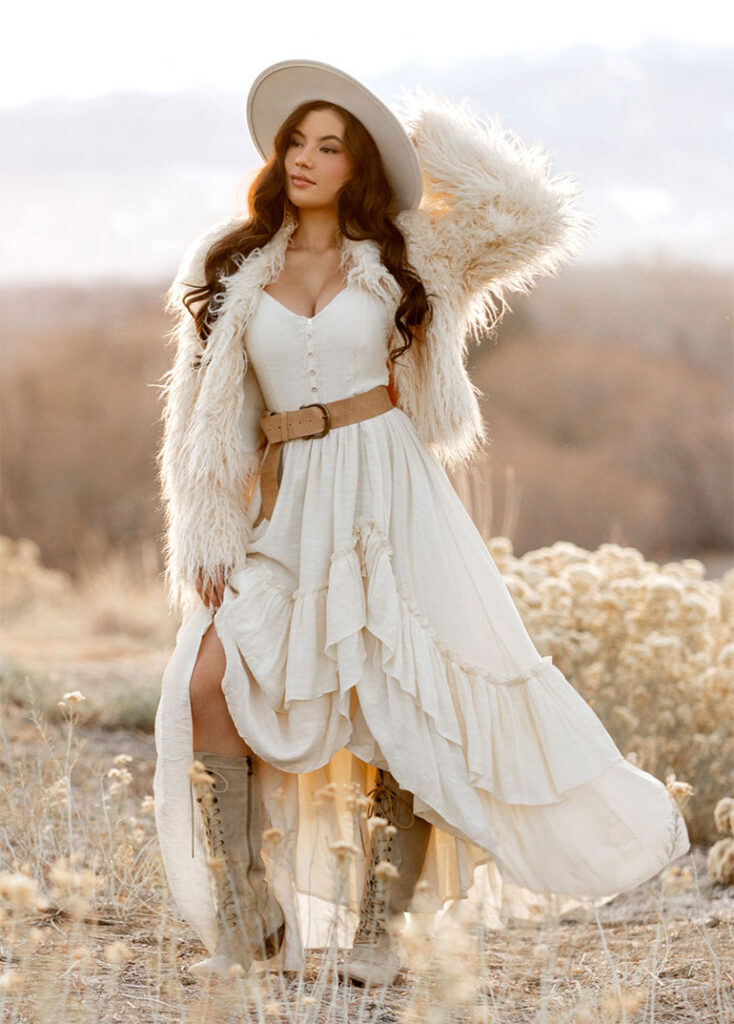
Flowy fabrics, earthy tones, floral prints, fringe, layered jewelry, and a general free-spirit energy. Boho style is rooted in the 1960s and ’70s counterculture but has had a permanent spot in fashion ever since.
The trap with boho is going overboard — every single piece being maximally boho at the same time creates visual chaos. The best boho outfits usually anchor one statement piece (a flowy maxi skirt, an embroidered jacket) with something simple.
Who it suits: Creative types, nature lovers, people who are drawn to artisan and handmade fashion.
6. Preppy Style
Polo shirts, chinos, loafers, blazers with crests, plaid patterns, and a general Ivy League energy. Preppy style has its roots in East Coast American college campuses but has been reimagined by designers like Ralph Lauren and Tommy Hilfiger into something with much broader appeal.
Modern preppy (sometimes called “Old Money” aesthetic online) is having a huge moment right now. It’s polished but approachable. Khakis and a tucked Oxford shirt, worn with confidence, will never embarrass you.
Who it suits: People who like structure and polish without going full formal.
7. Athleisure
Athleisure is what happens when activewear refuses to stay at the gym. Leggings worn to brunch, joggers dressed up with a crisp jacket, sports bras under blazers — it’s all fair game.
Lululemon basically built an empire on this. The key to athleisure looking intentional (rather than “I forgot to change”) is fabric quality and fit. Cheap athleisure looks sloppy. Quality athleisure looks deliberate.
Who it suits: Active people, those with flexible dress codes, and anyone who prioritizes movement and comfort.
8. Vintage / Retro Style
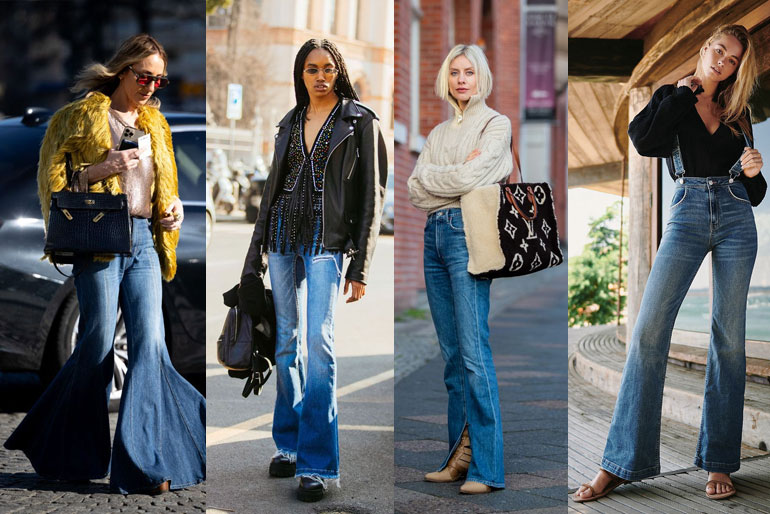
Sourcing clothes from specific decades and wearing them (or wearing modern pieces that reference those eras). The ’70s, ’80s, and ’90s are most popular right now. Think wide-leg trousers, band tees, mom jeans, windbreakers, and platform shoes.
Thrifting is your best friend here. Apps like Depop, ThredUP, and Poshmark have made finding vintage pieces dramatically easier. The learning curve is figuring out what fits your body from decades when sizing was completely different.
Who it suits: People who love fashion history, sustainability-conscious shoppers, those who want one-of-a-kind pieces.
9. Cottagecore
Cottagecore blew up during the pandemic for obvious reasons — everyone wanted to escape to an imaginary countryside cottage. Think prairie dresses, floral prints, linen fabrics, soft pastel colors, and an overall pastoral, gentle aesthetic.
It’s whimsical and romantic, and honestly? Perfectly practical in warmer months. Linen dresses and flowy blouses are legitimately comfortable.
Who it suits: People drawn to nature, romanticism, and a slower, softer aesthetic.
10. Dark Academia
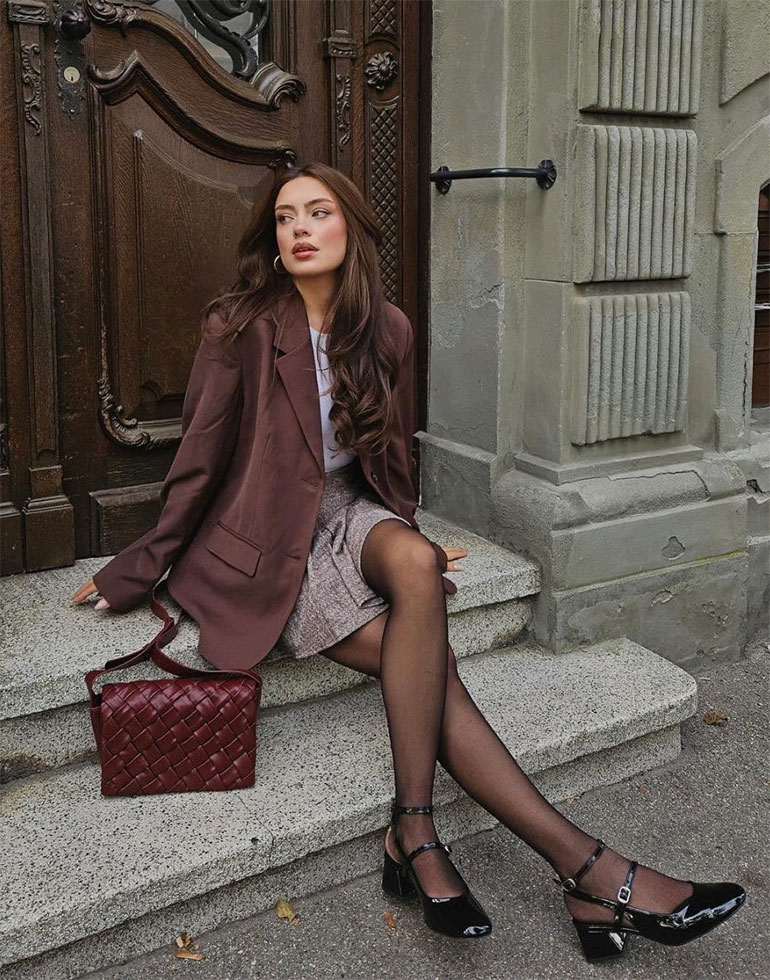
Dark Academia is moody, intellectual, and deeply literary. Think tweed blazers, turtlenecks, plaid trousers, oxfords, and a color palette of dark browns, burgundy, forest green, and black. The vibe is “I study at an old library and have complicated feelings about it.”
It’s a surprisingly wearable style once you strip away the moodboard extremes. A turtleneck under a blazer with tailored trousers is genuinely sharp on anyone.
Who it suits: Book lovers, people who prefer fall/winter aesthetics, those drawn to moody, layered looks.
11. E-Girl / E-Boy Style
Born on TikTok and Tumblr, this style mixes alt, anime, and early 2000s influences. Plaid skirts layered over long-sleeve tees, chains, chunky platform boots, graphic tees, and bold eyeliner (for e-girls) or two-tone dyed hair (common in both).
It’s unabashedly maximalist and intentionally references internet culture. If you’re not chronically online, this one might feel foreign — and that’s okay.
Who it suits: Gen Z, people deeply embedded in online culture, and those who love mixing alt references.
12. Androgynous Style
Androgynous dressing deliberately blurs or ignores the traditional gender lines in clothing. Oversized suits on women, skirts on men, gender-neutral silhouettes across the board. Designers like Rei Kawakubo (Comme des Garçons) and Rick Owens have made this a serious fashion conversation.
This isn’t about confusion — it’s about freedom. The most important thing is confidence. Androgynous dressing done with conviction looks cool. Done apologetically, it just looks like you grabbed the wrong clothes.
Who it suits: Anyone who finds traditional gendered fashion restrictive or uninteresting.
13. Business Casual
The corporate middle ground. Not a full suit, but not jeans either. Chinos or dress trousers, collared shirts or blouses, loafers or simple flats, maybe a blazer. It lives in the perpetual tension between “professional” and “comfortable.”
Every office interprets business casual differently. When in doubt, overdress slightly in your first week and calibrate from there. It’s much easier to dress down than to walk in wearing jeans on a day when everyone else is in blazers.
Who it suits: Office workers, people who need to look professional but not formal.
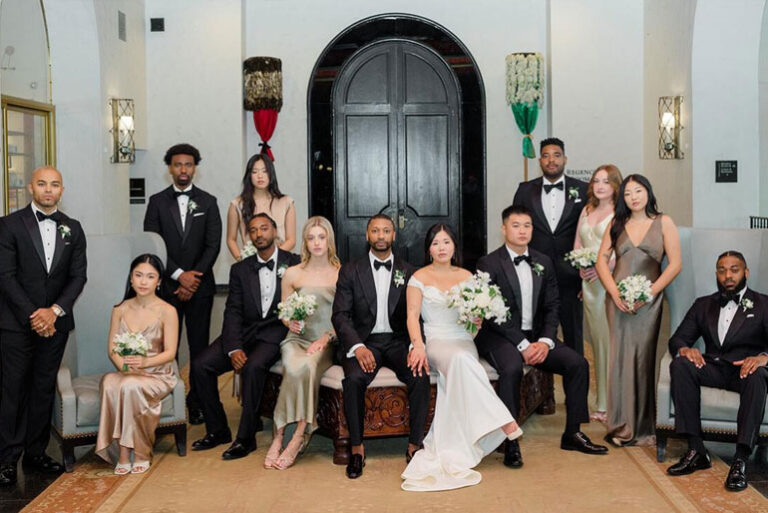
14. Formal / Black Tie
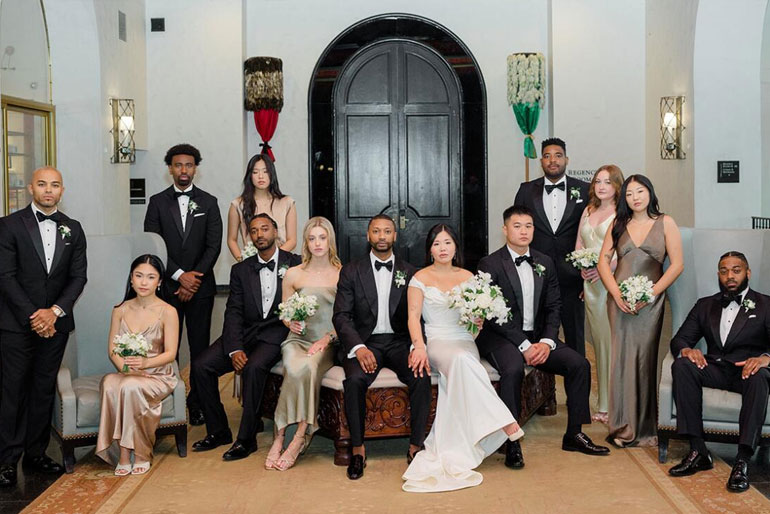
Suits, evening gowns, tuxedos, cocktail dresses. The stuff you pull out for weddings, galas, and fancy dinners. Most people don’t live in this style day-to-day, but having one well-fitted formal outfit you feel genuinely great in is worth the investment.
The mistake here is renting a suit or dress that doesn’t fit and hoping no one notices. They notice. A basic suit that fits you properly (even with minor tailoring for $20–40) looks dramatically better than an expensive one that doesn’t.
Who it suits: Everyone, for the occasions that call for it.
15. Grunge Style
Flannel shirts (tied around the waist or worn open), band tees, ripped jeans, combat boots, oversized everything. Grunge emerged from the Seattle music scene in the early ’90s and keeps cycling back.
The secret to modern grunge is restraint. You don’t need to look like you crawled out of a mosh pit. One grunge-forward piece — a flannel, a band tee, some beat-up boots — integrated into a more put-together outfit hits just right.
Who it suits: Alternative music fans, people who love a rebellious edge without going full punk.
16. Luxury / High Fashion
Head-to-toe designer. Statement pieces, unusual silhouettes, expensive fabrics, and the kind of clothes that make people stop and stare. Think Balenciaga, Gucci, Saint Laurent.
Here’s the honest truth: this style is mostly aspirational for most people, and that’s fine. You can achieve the feeling of luxury fashion by investing in one or two genuinely high-quality pieces (a real leather bag, a designer shoe) and letting those anchor simpler outfits.
Who it suits: Fashion enthusiasts with the budget for it, or people who love the aesthetic and want to cherry-pick key pieces.
17. Maximalist Style
More is more. Bold prints on bold prints. Layering. Clashing colors are done intentionally. Stacks of jewelry. Patterns mixed with zero apology. Maximalism is the direct opposite of minimalism, and in the right hands, it’s extraordinary.
The keyword is intentional. Maximalism isn’t about wearing everything at once randomly — it’s about understanding color theory and proportion well enough to break the rules on purpose.
Who it suits: Bold, confident dressers who love self-expression and aren’t afraid of attention.
So… How Do You Actually Pick Your Style?
Here’s the process that worked for me, and that I’ve since walked a few friends through:
Step 1: Save without filtering. For two weeks, screenshot or save every outfit you see that you like — on people you follow, on strangers, in movies, anywhere. Don’t overthink it. Just save what pulls you in.
Step 2: Look for patterns. After two weeks, scroll through your saves. You’ll almost always see a pattern — certain colors, silhouettes, vibes that keep showing up. That’s your compass.
Step 3: Audit your closet. Pull out everything you own and ask honestly: “Would I grab for this?” Donate what you wouldn’t. What’s left is your current style default.
Step 4: Identify the gap. Compare your saves to what’s in your closet. The gap between “what excites me” and “what I own” is where your style journey actually starts.
Step 5: Test before you invest. Before buying into a new aesthetic wholesale, try one or two pieces. Wear them around for a week. See if they actually fit your life — not just your Pinterest board.
The Mistake Almost Everyone Makes
Trying to build a completely new wardrobe overnight. It’s expensive, disorienting, and rarely sticks. Style evolves gradually. The best wardrobes I’ve seen belong to people who made small, intentional additions over months and years — not people who did a one-week overhaul.
Also, stop dressing for who you want to be perceived as, and start dressing for how you want to feel. Those are related, but they’re not the same. The most stylish people I know wear what genuinely makes them feel like themselves — and that confidence does more than any expensive piece ever could.
Where to Go From Here
If you’re starting fresh, I’d suggest Pinterest for visual research, the YouTube channel Gentleman’s Gazette (even if you’re not a man — the style theory is excellent for everyone), and apps like Stylebook for organizing what you already own.
And honestly? Walk into stores and try things on even when you’re not buying. Figuring out what looks good on your actual body — not a model, not an Instagram photo — is the most useful thing you can do.
Your style is already in there somewhere. You just have to give it a little space to show up.